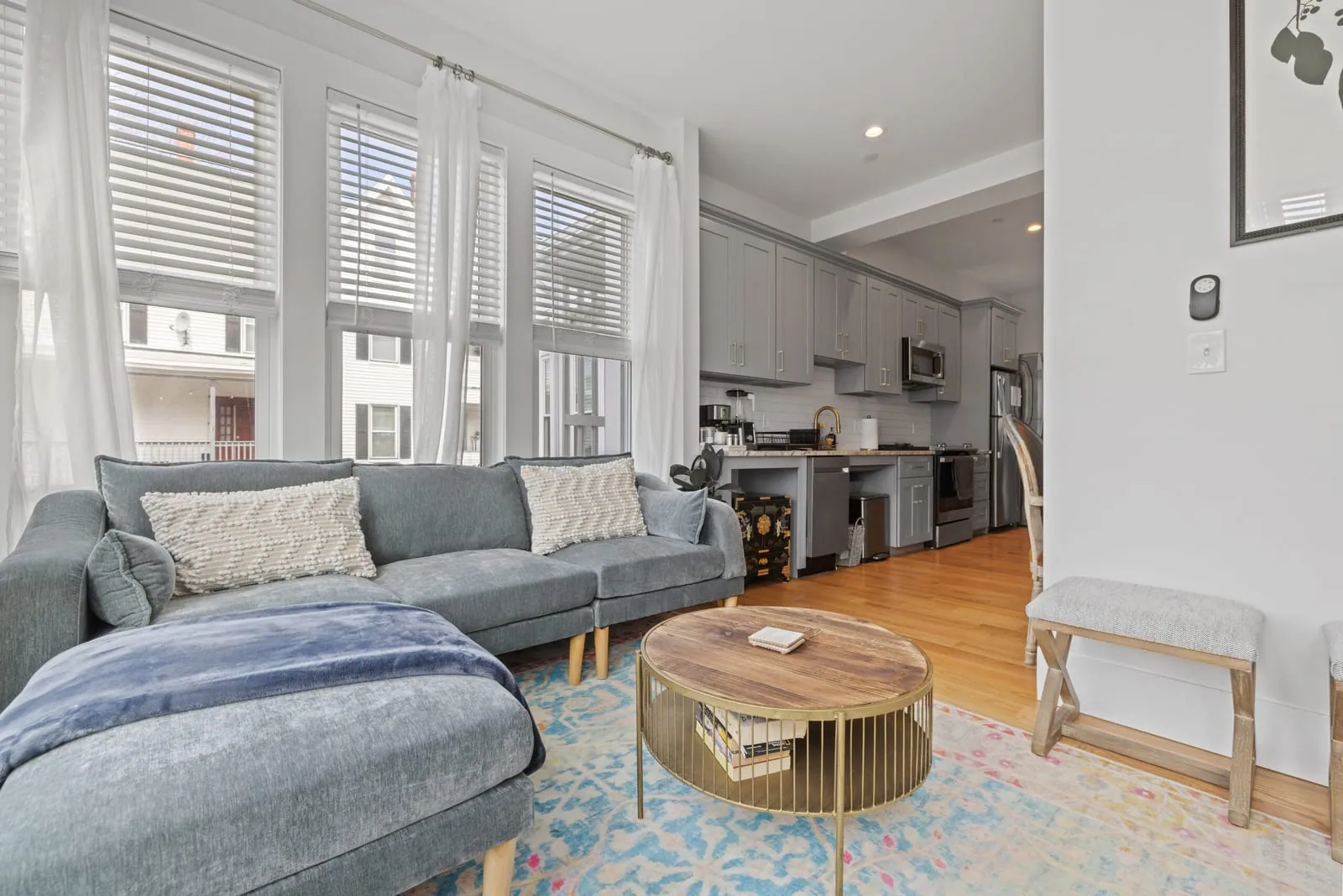


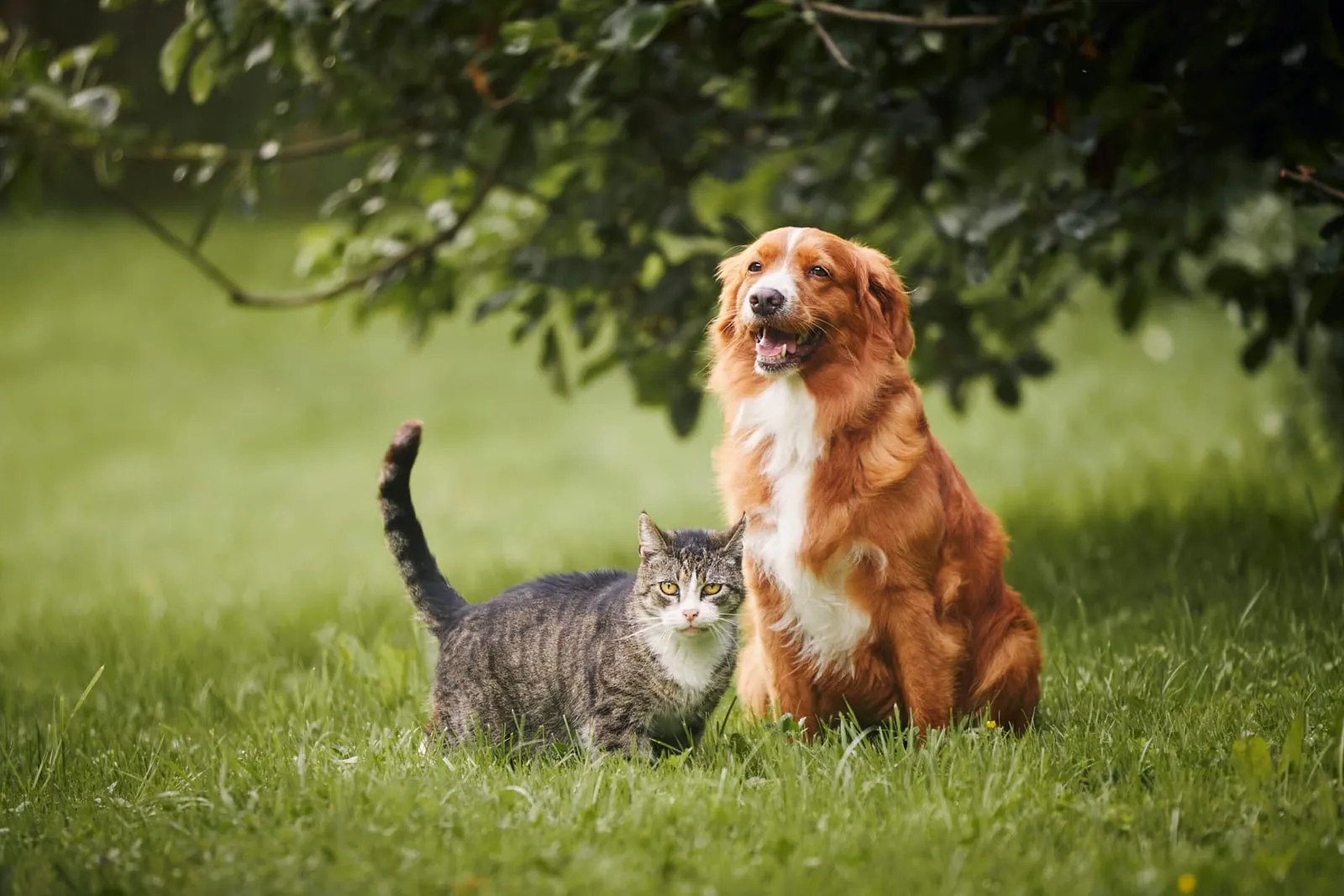
The thought alone makes some hosts nervous. You have just laid a beautiful new floor, the sofa sits neatly in the corner and the whole place smells fresh. And then a guest arrives with an enthusiastic, slightly damp golden retriever. You can already picture the muddy paws. For a lot of owners this is the nightmare scenario, and the default rule becomes: no pets.
In doing that, you are turning away an enormous audience and a genuine increase in revenue. Millions of families across Europe refuse to go on holiday without their dog, who is a full member of the household. Opening your doors to them can lift your occupancy considerably, especially outside the school holidays. The question is how to do it without taking on risk. This article covers exactly that: the facts, the strategies and the practical steps that let you take the upside without the damage.
What dog-friendly letting actually means
It goes further than ticking the pets allowed box on your listing.
Letting your property in a genuinely pet-friendly way means deliberately accommodating guests with an animal. The property is physically prepared for it, there are clear and fair house rules, and the cleaning protocol is adjusted accordingly.
So it is a considered business decision. You are not turning your property into a kennel; you are creating somewhere both the owner and the animal feel welcome, while your own things stay protected from damage and excessive wear.
Why this audience matters
The market of pet owners has grown enormously in recent years. During the pandemic a record number of households took on a dog. Those dogs are now adults and they come on the family holiday.
There is also a practical reason they are worth so much to a host. Dog owners gravitate towards walking holidays in the countryside and book far more readily in the low season. Where families with school-age children are stuck with the busy summer months, a retired couple with a labrador will happily book a blustery week in November to walk on the beach or in the woods.
They are also remarkably loyal. Once they have found somewhere their dog is genuinely welcome and the garden is properly fenced, they will book with you again next year without hesitating, and they will pay a premium for that peace of mind.
From booking to checkout
Taking pets does need slightly tighter management, starting at the booking. You do not want to accept every animal without asking. A host who thinks ahead asks a few specific questions at the point of reservation.
Ask about the breed, the age of the dog, and confirmation that it is house-trained. A three-month-old puppy carries a considerably higher risk of chewing damage than a settled older dog. Filtering for that up front builds in a margin of safety.
It also only works if the money side is clear. Charge a fixed supplement per night or per stay, covering the extra vacuuming and the deep clean of the floors. The deposit matters just as much. A slightly higher deposit for guests with pets filters out the irresponsible owners immediately. People with a well-behaved dog rarely object, because they know they are getting it back.
What you gain
 Higher low-season occupancy. You attract guests who travel all year, which fills the gaps in autumn and winter.
- Extra revenue from the supplement. Five to ten euros per night per dog is entirely accepted. Across a hundred nights with a dog, that is another thousand euros of pure revenue.
- Word of mouth. Dog owners talk to each other while walking and in online communities. A genuinely good dog-friendly property gets recommended very quickly in the relevant Facebook groups.
- More direct bookings. Guests with a specific requirement, such as a fenced garden, search more precisely and book directly on your own website rather than through a large, impersonal platform.
The risks to manage
The obvious one is extra wear. Claws on a wooden floor leave marks over time, and a wet dog coming in day after day in the rain leaves a particular smell. That simply means more from your cleaning team.
Allergies are the more serious point. If you let the property one week to someone with three cats and the next to a guest with severe asthma, an imperfect clean becomes a real problem. Invest in a good vacuum with a HEPA filter, and possibly an air purifier, to avoid complaints from later guests.
Finally there is noise. A dog left alone in an unfamiliar holiday house can bark for hours and ruin the stay for your neighbours or other guests on the park.
Five ways to make it work
1. Choose the interior tactically
Pick materials that can take it. Choosing between carpet, laminate and vinyl? Go for good quality vinyl or tiles: scratch-resistant, waterproof and easy to mop. Use washable covers on the sofa, so that if a dog does climb up, the cover goes in the machine at sixty degrees after the stay. And keep breakable decoration off wagging-tail height.
2. Build the thing they are all searching for: a fenced garden
If there is one feature dog owners hunt for, it is a securely fenced garden. Nobody wants to spend their holiday sitting on the terrace holding a lead. A fence at least a metre high, higher for larger breeds, around your plot is an investment that pays for itself quickly. Put it in the title of your listing.
3. Write clear, friendly house rules
Head off arguments by setting the rules out in advance in your digital guest guide. Keep the tone warm but firm:
- Dogs are welcome in the living room, but not in the bedrooms or on the furniture.
- Please do not leave your dog alone in the property, to avoid barking and separation anxiety.
- Please clear up after your dog in the garden straight away.
4. Put out a welcome pack for the dog
Turn an obligation into a nice touch. Alongside the bottle of wine for the owners, leave a bowl of water, a dog biscuit and a dedicated dog towel by the front door. The towel in particular is a small stroke of genius: you are quietly suggesting people dry the muddy paws before walking into the living room. It costs almost nothing, protects your interior and reliably earns you a warm review.
5. Automate the paperwork
Set your reservation software up to handle pets. A modern system calculates the supplement automatically during booking, and sends an automated email a few days before arrival with a friendly reminder of the house rules for animals.
Where this is going: the dog as a premium guest
Properties that specialise in pets are becoming steadily more upmarket, with the pet wellness trend arriving from the United States.
Holiday parks are installing dog showers with warm water at the entrance. Hosts are partnering with local dog-sitting services, so guests can spend a day at a museum that does not allow dogs while their dog is looked after nearby. Building services like that into what you offer means you stop competing on price and start competing on experience.
In closing
In today market, refusing pets is a missed opportunity. Yes, it brings extra challenges, but with the right preparation they are entirely manageable. It comes down to managing expectations and furnishing the property sensibly.
Invest in robust materials, fence the garden and communicate firm but friendly house rules through your reservation system, and your property stays protected. At the same time you open the door to a very large, very loyal audience who are willing to pay and who will fill your calendar through the grey winter months. Turn that potential muddy paw into a business model, and give both the owners and their dogs the holiday they came for.
Frequently asked questions
A supplement of 5 to 10 euros per pet per night is entirely normal in the current market. Some hosts prefer a flat amount per stay, say 35 or 50 euros regardless of length. It is there to cover the extra vacuuming and mopping in the end-of-stay clean.
Yes. It is your property and you set the house rules. Many hosts allow dogs up to a certain weight, for example 25 kilos, or exclude particular guard breeds to keep a park quiet. Just state it very clearly in your listing.
Always take a solid deposit, in the region of 150 to 250 euros. If the dog scratches a door or chews furniture, you can deduct the repair from it. Check as well whether your buildings and contents insurance for holiday letting covers damage caused by other people pets.
With a faultless cleaning protocol. Use a vacuum with a HEPA 13 or 14 filter, which takes the finest dander out of the air, and wash everything the animal touched thoroughly. It is also sensible to state on your website that the property is pet-friendly, so guests with severe allergies can decide for themselves.
Put a standard clause in your house rules that dogs may not be left alone in the property. A dog in an unfamiliar place develops separation anxiety quickly and starts barking. Offer an alternative in your digital guest guide: the details of a reliable local dog sitter or walking service.
You can automate the whole process: set the pet supplement as a mandatory extra when a guest ticks that they are bringing a dog, send automated emails with the specific house rules for animals, and record the higher deposit clearly in your dashboard.
Any other questions? You can always email us at info@bookedin.nl.