


Growing a rental website
Rental websites have become steadily more popular. Whether you rent out holiday homes, cars, tools or even clothing, a well designed rental website that actually works can be a profitable business. If you are thinking about building one, here are the things worth getting right.
1. Know your audience and do the research
Before you build anything, work out who you are building for. Who are your potential renters? What do they need, and what do they expect? Once you understand that properly, you can design the site and choose the features around what those people actually want, instead of guessing.
2. An interface people can use
A rental website has to be easy to move around in. Keep the navigation simple and make it obvious how to search for what is available. Filters and sorting help people narrow things down to what they need. A clear, predictable layout does as much for the experience as any single feature.
3. Booking and payment people can trust
Trust is what a rental website runs on. Put a secure booking and payment system in place: use HTTPS so data is protected in transit, and handle the money through a payment provider with a reputation to lose. Offering more than one way to pay helps too, because it lets people use whatever they already trust.
4. Clear, appealing listings
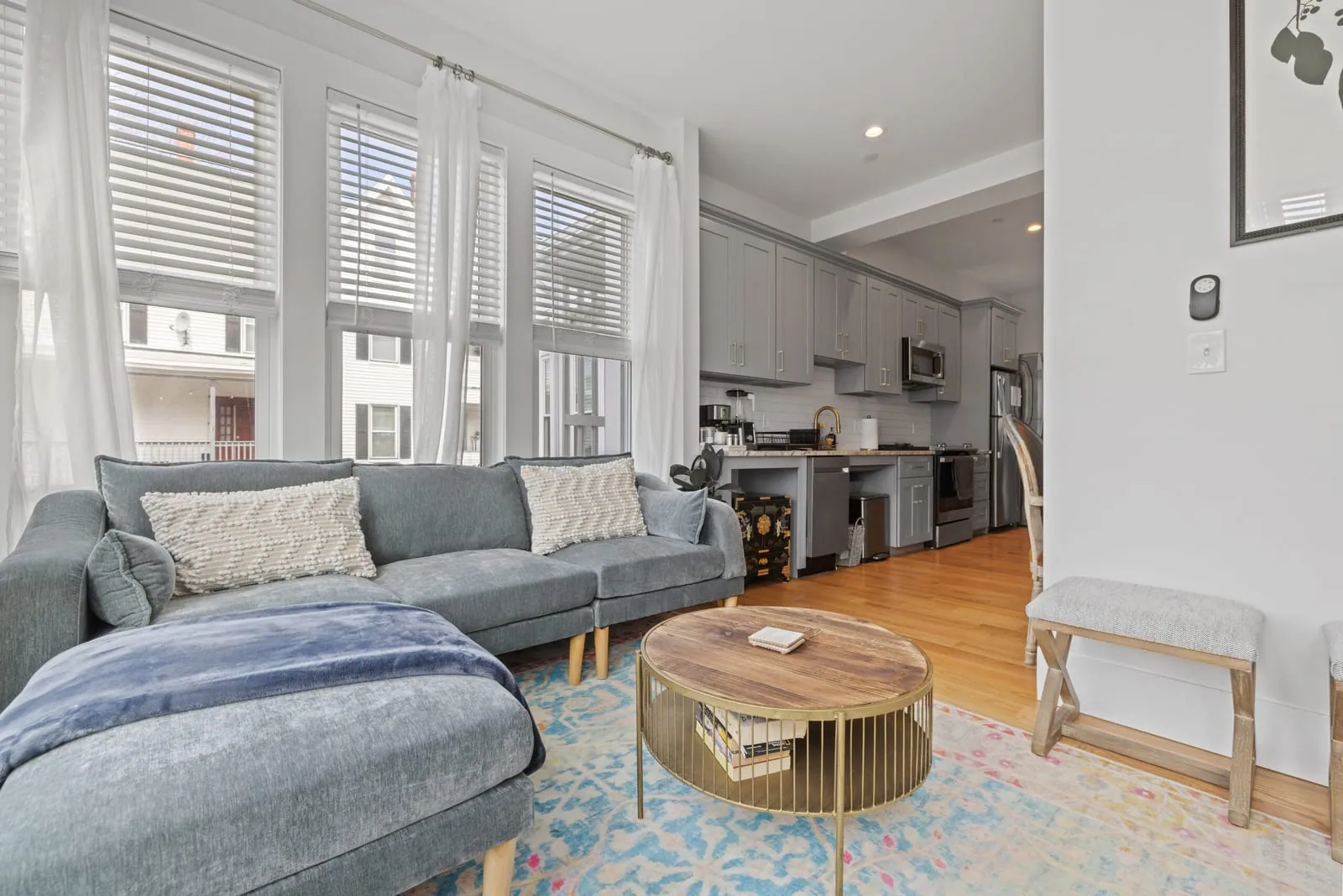
Give people real information about what they are renting. Every listing wants a title that says something, a proper description, good photographs and a clear price. Use images that show the item from several angles and point out anything that makes it worth choosing. The more someone knows before they book, the more likely they are to book.
5. Reviews and ratings
Let renters leave a review of the owner and of what they rented. Positive reviews are what convince the next visitor to book with you rather than somewhere else, and the negative ones tell you where the service needs work. Both are useful; only one of them is comfortable.
6. Marketing and promotion
A good website is the start, not the finish. You still have to put it in front of people: search engine optimisation, social media and online advertising all help you reach the audience you identified in step one. Working with partners in your sector is worth considering, as are discounts or a loyalty scheme to bring people back a second time.
7. Customer service that answers
Answer questions quickly and sort problems out properly. A renter who had a good experience when something went wrong is the one who books again and tells other people. That is cheaper than any advertising.
Building a rental website that works takes planning, attention to detail and a real understanding of who you are serving. Get the experience, the booking and payment side, the listings, the reviews, the promotion and the service right, and you have the foundation of a rental business that keeps growing. The rest is putting it into practice.