


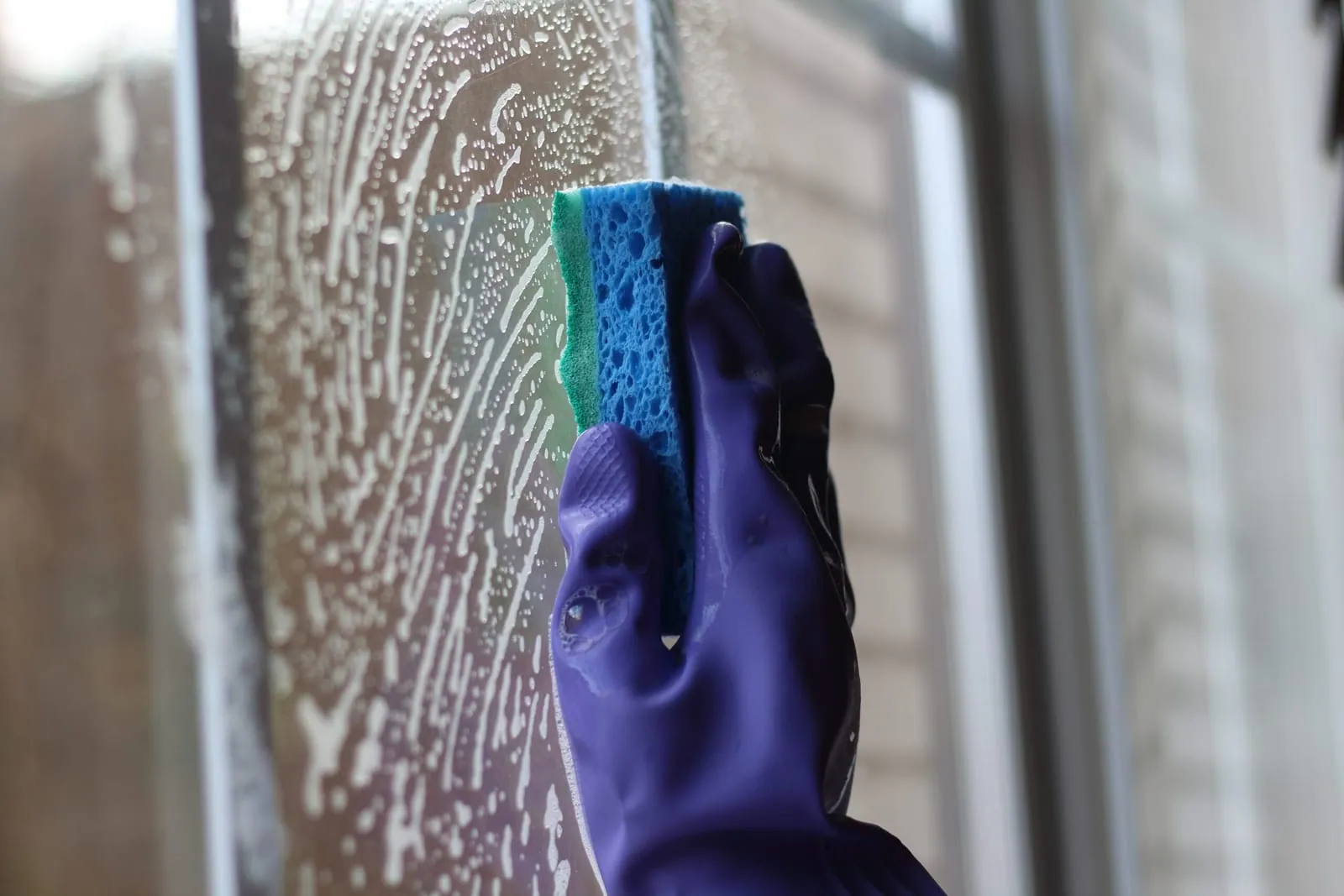
Every owner of a holiday property knows the feeling. It is ten on a Friday morning. The previous guests pull the door shut behind them, and at three in the afternoon the next family is on the doorstep, over-enthusiastic labrador included. You have exactly five hours to turn a mild state of chaos into somewhere calm and spotless.
The question a lot of hosts ask themselves is how best to organise that. Do you go with seasonal cleaners or a professional company? Both have their own rhythm, cost and effect on quality. This article weighs them up and helps you pick what fits your operation.
What the choice actually is
Seasonal cleaners are usually school pupils, students or local young people looking for work during the high season or at weekends. They are typically hired, trained and directed by the owner. It is a flexible, local solution.
A professional cleaning company is a commercial operation specialising in property and holiday accommodation. They work to fixed contracts, bring their own equipment and employ trained staff. You hand the whole responsibility for hygiene to an external partner.
Why a clean property matters so much
You can have a beautiful interior, a rain shower worth writing home about and a view over the hills. If there is dust under the bed or the fridge is still sticky from the previous guests, that is the only thing anyone will remember.
Cleanliness is by far the most important factor in guest reviews. One mediocre review about the cleaning has a direct effect on your conversion and your future bookings. Guests now expect hotel standards even in a cosy static caravan or a cabin in the woods. So this is not a detail; it is a fundamental part of your strategy, affecting your reputation, your margin and your own peace of mind.
What it looks like in high season
The theory is simple: the house has to be clean. The practice on a blazing Saturday in July is another matter.
Working with seasonal staff, you are the supervisor on the floor. You hand out the lists, check the beds are properly made and make sure there is enough cleaning product in stock. Sometimes you have to accept that a sixteen-year-old the morning after a village party is slightly less alert to water spots on a tap. You are manager, coach and quality control in one.
Outsource it to a company and you hand over the key, or the door code, and get a message mid-afternoon saying it is done. They plan their own staffing. Somebody off sick is their problem to solve, not yours. That sounds excellent, and it carries a different price tag.
What each option is good at
Seasonal cleaners
 Lower cost. An hourly rate for a student is considerably below a commercial rate, so more margin stays with each booking.
- Flexibility. Local young people tend to be adaptable. If guests leave an hour later than planned, that is usually sorted out between you without contractual penalties.
- Local involvement. You create work in your own area, and these are often people who know the region well.
- You set the standard. You can train staff to do things exactly your way, down to how the towels are folded.
A professional company
- It is off your plate. You are buying certainty. Planning, sickness cover and quality control are theirs.
- Consistent quality. Professionals work to efficient protocols with colour-coded cloths and specialist products. They see dirt a teenage eye simply does not.
- Their own materials. No more cupboards full of bleach, mops and vacuum bags to keep stocked.
- Speed. A trained team works like a machine and is often finished in half the time, which matters on a busy changeover day.
Where each one bites
With seasonal staff, the main risk is reliability and turnover. Young people go off to study, find other work, or decide they would rather be in Spain themselves in August. That means recruiting and training again every season, sometimes mid-season. Quality control is also entirely on you: if you do not check, mistakes creep in.
With a company, cost is the main barrier. Their rates include overhead, travel and margin. With low occupancy or modest nightly rates, that can squeeze your return noticeably. You are also tied to their schedule. If your guests check out late, the team may not be able to wait because they are due at the next property.
Three practical strategies
Consider a hybrid. More and more hosts combine the two: local students for the fast changeover clean in high season, with a professional company once a month for a deep clean, windows, carpets and grout included.
Use visual checklists. Whoever is cleaning, checklists are essential. Make a laminated card with photographs of how each room should look. Clean is a subjective word; a photograph of the cushions arranged properly is not.
Connect your booking system to the cleaning schedule. Communication is everything. Make sure the cleaning team, whether that is the neighbour son or a company manager, has live visibility of your occupancy. Linking your online booking calendar means everyone knows exactly when each property comes free.
Where holiday cleaning is going
Environmentally friendly cleaning is advancing quickly. Guests genuinely appreciate accommodation cleaned without harsh chemicals, and professional companies tend to lead on this.
Technology is playing a bigger part too. Cleaners increasingly work from apps where they tick off each room as it is finished. As soon as they turn the virtual key, you and the guest are notified that the property is ready. That makes managing seasonal staff and external companies alike far easier to keep track of.
In closing
The choice comes down to three things: your budget, your scale, and how operationally involved you want to be.
One or two properties, living nearby, happy to keep your hand on the wheel? Motivated seasonal cleaners are an excellent and profitable choice. Managing a larger portfolio, living at a distance, or simply wanting a quiet Friday afternoon? A professional company is worth every euro. Whichever you pick, remember that a spotless start to a holiday is the best marketing your business will ever get.
Frequently asked questions
Seasonal staff are considerably cheaper in direct wage costs: often a youth minimum wage with no overhead on top. A professional company charges for materials, travel, management and margin. Do factor in your own time for training and checking when you use seasonal staff.
Local Facebook groups, supermarket noticeboards and word of mouth work best. Ask the good people you already have whether they know friends or classmates who want the work. Good staff tend to bring in more good staff, which reduces turnover.
Continuity and a guarantee. They bring specialist equipment, work to ergonomic methods and solve their own sickness cover internally. They are also trained to spot minor maintenance issues and damage, and report those to you properly.
Yes, and this hybrid model works very well. Many hosts use affordable seasonal staff for the regular weekly clean and bed-making, and bring in a professional company once or twice a season for a deep clean of carpets and bathrooms.
If a professional breaks something, their company liability insurance normally covers it. With seasonal staff employed directly by you, that risk usually sits with you as the employer. It is worth checking this properly before the season starts.
Automate it through your booking software. Give the cleaners their own login or an automatic email notification from your reservation system and they know exactly when guests leave and arrive, without you having to call or message anybody.
Any other questions? You can always email us at info@bookedin.nl.